A Canadian Guide to Organic Mattress Standards and What to Look For
In a country famed for its pristine landscapes and rigorous consumer protections, Canadians deserve clarity when navigating the growing field of organic sleep noesis. This guide synthesizes certifications, regional advisories, and practical label-reading techniques to help shoppers discern truth from greenwashing. By examining certifications such as GOTS, Made Safe, and the Canadian context of regulatory oversight, readers will gain a grounded understanding of what qualifies as truly organic and why it matters for health, breathability, and sleep quality.
Two introductory avenues frame the conversation: first, an overview of the most relevant organic certifications, what they guarantee, and how to verify a brand’s claims; and second, a practical comparison of organic latex, organic cotton, and wool-filled mattresses, with attention to breathability, durability, allergy considerations, and warranty implications in the Canadian market. The aim is to empower Canadians to evaluate product labels confidently and to navigate brand claims with a critical eye.
Certifications that Matter in Canada
Organic certifications function as trusted signals in a marketplace where materials and processes vary widely. In Canada, discerning buyers encounter domestic and international standards that collectively indicate a product’s organic integrity, emissions, and overall safety profile. Three primary threads anchor this discussion:
- GOTS (Global Organic Textile Standard) — An internationally recognized standard for organic textiles, including cotton and wool used in mattress covers and padding. GOTS ensures organic fiber content, environmentally responsible processing, and social compliance. When a mattress says “GOTS,” it signals that the textile components meet a comprehensive set of criteria for organic production and processing.
- GOLS (Global Organic Latex Standard) — The standard for organic latex, often used in natural latex cores. GOLS certification signals that the latex is sourced from organic rubber plantations and processed without compromising organic integrity. A GOLS stamp on latex cores helps buyers distinguish between genuinely organic latex and conventional blends.
- Made Safe and other regional advisories — Made Safe focuses on eliminating hazardous substances in consumer products, including mattresses, by evaluating materials for chemical safety. Regional or brand-specific advisories may provide additional assurance for Canadians seeking products manufactured with low chemical emissions and minimal toxic additives. Though not a substitute for GOTS or GOLS, Made Safe and similar certifications can complement organic labeling by emphasizing consumer safety in everyday use.
When evaluating certifications, Canadians should verify the certifier’s accreditation, the scope of the certification (textiles, cores, base layers, or full mattress), and the exact materials certified. Look for certification numbers, certificate bodies, and traceability information on product labeling or the manufacturer’s website. Transparent documentation supports trust and helps readers differentiate between marketing language and verified standards.
Organic Materials in Focus: Latex, Cotton, and Wool
Organic materials shape the feel, durability, and breathability of a mattress. In Canada, shoppers frequently weigh three core options: organic latex (Dunlop or Talalay), organic cotton, and wool-filled constructions. Each material imparts distinct advantages and trade-offs, particularly when addressed through the lens of Canadian climate and sleeping patterns.
Organic Latex
Organic latex, whether in a Dunlop or Talalay process, offers resilient support with a natural elasticity that conforms to body contours. When latex is certified organic (GOLS), it indicates that the latex is produced from organic rubber and processed with minimal synthetic additives. In Canada’s varied seasonal temperatures, latex cores provide consistent performance, resisting compression and maintaining pressure relief over time. Buyers should also consider the possibility of latex sensitivity and the cross-section of layers surrounding the core, which influence overall comfort and breathability.
Organic Cotton
Organic cotton, used for covers, quilts, and padding, offers a natural, breathable surface that helps regulate microclimate. Certified organic cotton (GOTS) ensures high-quality fiber content and reduced chemical exposure. In Canadian homes, cotton layers contribute to a cooler surface during summer and a comfortable baseline in winter when paired with other natural fillings. The durability of cotton blends with quilting patterns and needle-punched cores determines long-term performance and washability.
Wool
Wool, often used as a natural insulator and moisture wick, plays a pivotal role in temperature regulation. Organic wool can buffer temperature fluctuations and help moderate humidity within the mattress structure. When wool is certified, it ensures responsible sourcing and processing. Canadian climates, characterized by dry winters and humid summers in some regions, can benefit from wool’s moisture management properties, contributing to a more stable sleeping environment and extended mattress life.
Practical Guide: Reading Labels, Verifying Claims, and Comparing Brands
A practical, methodical approach helps Canadians distinguish genuine organic features from marketing rhetoric. Here is a concise framework for evaluating mattress labels and warranties:
- Label literacy: Identify the fiber content, the presence of certified organic components, and the certainty of processing standards. A mattress may advertise “organic cotton” or “organic latex,” but the presence of a certified core (GOTS for fabric, GOLS for latex) strengthens the claim.
- Certification scope: Confirm whether the certification covers the entire mattress or only specific layers. Some brands label the fabric as organic while the innerspring or core remains conventional. For a truly organic mattress, expect endorsements across core materials (latex or foam, padding, and fabric).
- Supply chain transparency: Look for information about farm sources, processing facilities, and third-party audits. Transparent supply chains reduce the risk of greenwashing and enhance consumer confidence, especially in markets with variable regulatory oversight.
- Warranties and durability: Organic materials often come with robust warranties, but the terms matter. Check for minimum thickness of latex cores, density of wool, and the coverage scope. A longer warranty signals confidence in material longevity and brand accountability.
- Care and maintenance: Organic materials may require mindful care. Wool-filled layers, for instance, benefit from breathable covers and occasional air-outs to maintain loft. Understanding care requirements preserves performance and comfort over time.
Canada’s consumer protections provide an essential safety net for shoppers, but knowledge of certifications and material properties empowers individuals to make choices that align with their health priorities and sleep needs. In the sections that follow, this article will showcase a practical comparison of representative organic options and highlight a model product available in the Canadian market to illustrate how these principles translate into real-world sleep experiences.
Profiles Across Time: Three Key Thinkers in Sleep, Material Science, and Consumer Education
From the early explorations of material science to contemporary consumer education, three figures stand as milestones in understanding how we rest on the surfaces that support us.
Charles Babbage (1791–1871) — Early Analytical Thinker
Though not a sleep scientist by vocation, Babbage’s approach to systematic thought and machinery informed later understandings of durability, engineering, and efficiency. His insistence on rigorous analysis of mechanisms—whether gears or springs—set a precedent for evaluating mattress components with a skeptical eye toward performance and longevity. In the realm of organic materials, his legacy breathes in the careful assessment of how core materials resist wear and maintain function over time.
Marie Curie (1867–1934) — Pioneering Scientist and Safety Advocate
Curie’s relentless pursuit of empirical evidence and methodical safety protocols underscored the necessity of strict standards and credible testing. Her emphasis on respecting materials and environmental factors echoed in the certification processes that govern organic textiles and latex. In the context of mattresses, Curie’s spirit reminds us to demand rigorous, independently verified data about emissions, chemical content, and long-term performance of organic components.
Elizabeth (Libby) A. H. — Modern Consumer Education Pioneer
While not a single historical figure, Libby-style advocates represent the ongoing lineage of consumer education: translating complex scientific findings into accessible guidance for everyday decisions. Her ethos—clear labeling, transparent sourcing, and practical guidance—shapes how informational domains like Canadian Mattress Guides present standards to readers who seek trustworthy, actionable knowledge rather than glossy marketing.
These profiles anchor the narrative: a legacy of rigorous thinking, a modern commitment to safety, and a contemporary emphasis on accessible consumer education. By weaving historical insights with present-day certifications and product examples, readers can approach organic mattress choices with confidence and curiosity.
Featured Product: Royal-Pedic Premier Natural Latex Quilt-Top Mattress
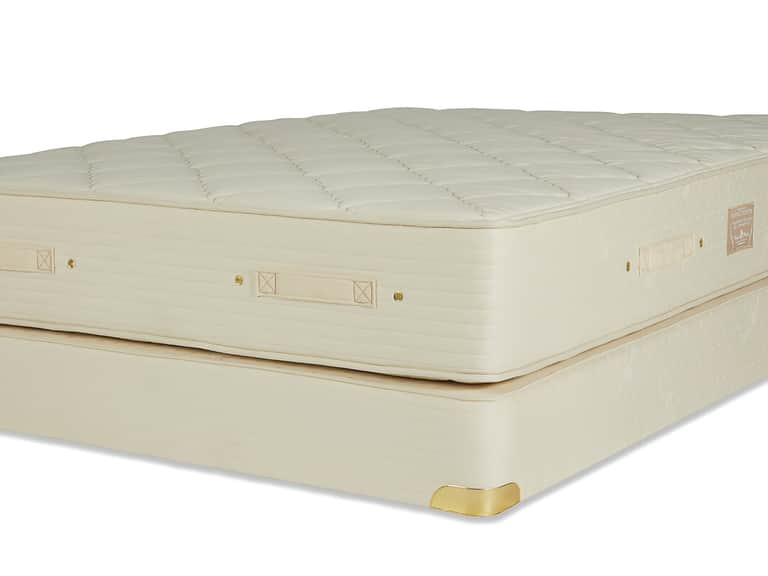
To illustrate how a certified organic approach can translate into tangible comfort, consider the Royal-Pedic Premier Natural Latex Quilt-Top Mattress. With a 10-inch natural latex core and outer layers of chemical-free French wool, this mattress embodies the union of organic materials and meticulous craftsmanship. The core pairs medium firmness with surface plushness, offering a balanced feel that can support a variety of sleeping positions. The wool wrap provides moisture management and a regulated surface temperature, essential for Canadian climates where seasonal shifts influence sleep comfort. While this specific model is part of a distinct brand ecosystem, it serves as a reference point for the type of construction and material integrity readers should seek in certified organic mattresses sold in Canada.
Core and fill: Natural latex core with surface layers of chemical-free French wool; quilted cotton cover.
Firmness and feel: A balanced feel with inner support and surface plushness; compatible with diverse sleeping positions.
Certifications and safety: Emphasizes organic materials and low-emission construction, aligning with consumer expectations for organic claims.
Canadian relevance: Aligns with regional concerns about emissions, breathability, and long-term durability in variable climates.
Note: Availability, pricing, and certification status may vary across Canadian retailers. Always verify certifications directly with the brand and request third-party audits or certificates for the specific mattress model you are evaluating.
Canada-Specific Considerations: Rights, Returns, and Local Retailers
Buying an organic mattress in Canada intertwines consumer rights with product transparency. Canadians benefit from robust consumer protection laws that govern product labeling, warranties, and fair advertising. When evaluating organic mattresses, readers should consider provincial return policies, delivery arrangements, and the availability of in-home trials. A transparent retailer should provide:
- Clear documentation of organic certifications for each core material and fabric
- Accessible warranties that specify coverage for core materials and workmanship
- Evidence of third-party testing for emissions and chemical contents
- Locally available support for returns, exchanges, and disposal
In Canada, provincial nuances exist, but the overarching principle remains: consumers deserve clarity about what is truly organic, how it is produced, and how it will perform over years of use. This section reinforces the value of seeking brands with transparent information and certifications that withstand scrutiny beyond marketing copy.
Conclusion: An Informed Path to Organic Comfort
The organic mattress market in Canada offers compelling possibilities for health, sustainability, and sleep quality. By anchoring decisions in certifications like GOTS, GOLS, and safety-focused frameworks such as Made Safe, shoppers can navigate the landscape with a more discerning eye. Organic materials—cotton, latex, and wool—each contribute unique benefits to comfort, climate control, and long-term durability. When Canadians approach labels with a critical mindset and demand transparent documentation, they gain not only a better night’s sleep but also a stronger foundation for sustainable choices in a market where whispers of greenwashing can cloud trust. This guide invites readers to carry curiosity, skepticism, and practical know-how into their next mattress decision—and to do so with the calm confidence that comes from informed, responsible consumption.
Would you like a detailed site map, a 12-week starter content calendar, and outlines for cornerstone articles centered on organic certifications and Canadian consumer rights? I can tailor these to fit your editorial voice and target keywords.
Related Resources
Core pages and resources that complement this article include:
- MATTRESS CERTIFICATIONS: A glossary of terms, standards, and what they mean for shoppers
- CANADA-SPECIFIC RIGHTS AND RETURN POLICIES: Provincial overview and practical tips
- MATERIALS 101: Latex, Cotton, Wool—pros, cons, and care considerations
- FAQ: Common questions about organic mattresses and how to verify claims
Citations and Data Notes
This article synthesizes industry-standard knowledge, brand disclosures, and consumer education principles. When possible, readers are encouraged to consult primary certification bodies and official brand documentation for the latest validation of claims and product specifics.