Canadian Mattress Guide · Materials
Organic Latex Mattress Layers: How Dunlop and Talalay Differ
Latex can come from similar beginnings and emerge with noticeably different textures. Understanding how Dunlop and Talalay latex are made—and where each layer sits in a mattress—helps Canadian shoppers compare materials without mistaking a process name for a promise of comfort or quality.
Published November 13, 2026
Natural latex begins as milky sap collected from rubber trees, most commonly Hevea brasiliensis. After harvesting, the liquid is processed into a resilient foam used in mattress layers, toppers, and pillows. The finished material has a springy, buoyant character that differs from the slow, contouring response often associated with memory foam. Yet “latex” is not one uniform feel. The way the foam is produced, its formulation and density, and its position in a mattress all shape the experience.
Two names appear frequently in descriptions of latex mattresses: Dunlop and Talalay. They refer to distinct manufacturing processes, not a simple ranking from basic to superior. Each process produces foam with its own typical characteristics, but real-world comfort depends on more than the name on a specification sheet. For anyone researching an organic latex mattress in Canada, the useful question is not simply which process wins. It is how the materials and layers work together to suit the sleeper.
First, what does “organic latex” mean?
Natural latex and organic latex are related descriptions, but they are not interchangeable. Natural latex refers to latex derived from rubber-tree sap. “Organic” is a claim about how an agricultural material was produced and how the product or its components were certified. A mattress may contain latex alongside other materials, such as cotton, wool, synthetic fibres, adhesives, or a spring unit. The name of a mattress alone cannot establish the full composition.
Look for clear, component-by-component information: what is in each layer, how thick it is, whether the latex is natural or blended, and which certifications apply. Certification names matter only when you understand their scope. A certificate may apply to the latex, the textile cover, or a particular stage of production rather than every component of the finished mattress. If a label or product page uses broad language such as “all natural” or “organic,” ask what precisely is covered.
For Canadian shoppers, these details are especially useful when comparing products sold across provinces or shipped from elsewhere. A mattress can be marketed in Canada while being made in another country, and its raw materials may travel through several supply chains. Ask the seller for current documentation and written specifications, rather than assuming that a material term carries a single, universal meaning.
How the Dunlop process works
In the Dunlop process, latex is mixed into a foam compound, poured into a mould, and heated to form a resilient block. The foam is then washed and dried. The process is comparatively direct, and Dunlop latex has long been used in bedding and other applications that call for elastic support.
Dunlop foam is often described as having a denser or more grounded feel than Talalay. Some descriptions also note a subtle difference between the top and bottom of a Dunlop block because particles in the foam mixture can settle during manufacture. Those descriptions can be useful as general context, but they should not be treated as a reliable forecast of how every Dunlop mattress will feel. Formulation, processing controls, layer thickness, and the mattress construction all influence the result.
In a mattress, Dunlop latex may be used in a comfort layer, a support layer, or several layers with different firmness levels. A thicker, firmer layer near the base will contribute differently from a softer layer close to the sleeping surface. The word “Dunlop” alone does not tell you the layer’s firmness, density, or intended role. Those specifications should be provided separately.
How the Talalay process works
Talalay production includes additional steps. A mould is only partly filled with the latex mixture; it is then sealed, and a vacuum expands the mixture to fill the remaining space. The material is frozen before it is heated to complete the curing process, then washed and dried. These extra stages are intended to create a more even foam structure throughout the block.
Talalay latex is commonly described as lighter and more consistent in feel, sometimes with a more buoyant or responsive sensation. Sleepers may experience it as lively under movement, but the precise feel varies with the latex formulation, firmness, thickness, and the layers beneath it. It is not necessarily softer than Dunlop. Both processes can produce latex in a range of firmnesses, and a firm Talalay layer may feel firmer than a softer Dunlop layer.
Manufacturing process can also affect the material’s cost and availability. However, price is not a dependable shortcut to comfort, durability, or suitability. Compare the complete mattress specifications and the terms of purchase instead of using “Talalay” as a stand-in for quality or “Dunlop” as shorthand for a particular feel.
Dunlop and Talalay at a glance
| Feature | Dunlop latex | Talalay latex |
|---|---|---|
| Process | Foam is poured into a mould, heated, washed, and dried. | A partly filled mould is vacuum-expanded, frozen, cured, washed, and dried. |
| Common description | Often described as denser or more grounded. | Often described as lighter, more uniform, or buoyant. |
| Possible mattress roles | Comfort, transition, or support layer. | Comfort, transition, or support layer. |
| What the name does not tell you | Exact firmness, layer thickness, full composition, or personal comfort. | Exact firmness, layer thickness, full composition, or personal comfort. |
This comparison describes common manufacturing and feel tendencies, not a guarantee. Even two mattresses using the same process can feel different because their layers, covers, and underlying support systems differ.
Why layer arrangement matters more than the label
A mattress is a small landscape of materials. The upper layers meet the body first; the deeper layers help determine how far the sleeper settles and how the surface responds to movement. A latex mattress might use a soft top layer over firmer latex, a single latex core, or latex above pocketed coils. Each arrangement changes how pressure is distributed and how the mattress feels when someone lies down.
A soft upper layer may allow more initial cushioning, while firmer layers below can limit deeper sinking. A single firm core may feel more uniform. A hybrid construction combines latex with another support system, such as springs, so it can have a different response from an all-latex mattress. The terms “Dunlop” and “Talalay” describe the latex-making process; they do not describe the complete architecture.
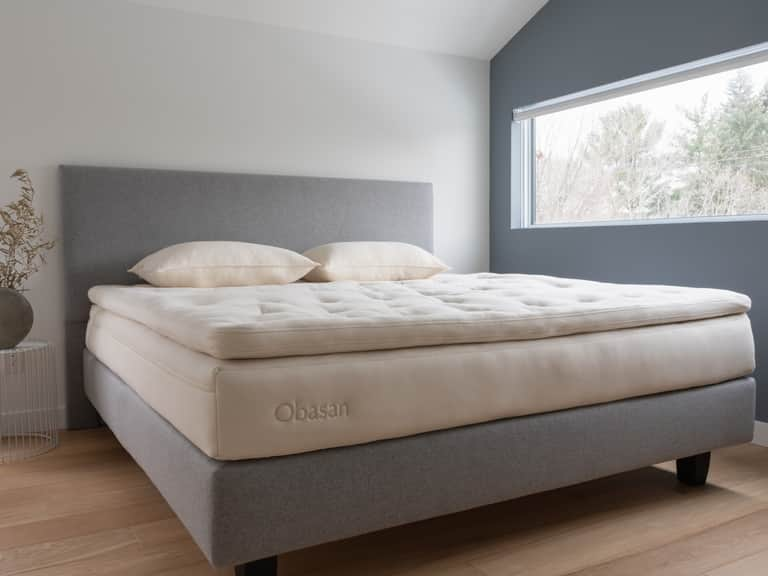
Consider the example of the Obasan Classic Dunlop Latex Mattress. Its listed construction includes a firm 2-inch base, a customizable 4-inch middle layer, and a soft 2-inch top layer, with an organic cotton and wool quilted cover. That description illustrates why layer placement and firmness choices are important alongside the Dunlop label. It does not mean that the same configuration will suit every sleeper. Review the current product specifications and terms directly before making a decision.
Some mattresses are designed so that layers can be rearranged or selected in different firmnesses. Split configurations may allow partners to choose different feels on their respective sides. Such flexibility can be helpful, but it also raises practical questions: Can the layers be changed after purchase? Is there a fee or shipping cost? How easy is it to handle the components? What is covered by the warranty? Confirm the details before relying on adjustability as a solution.
Matching latex feel to sleep preferences
There is no universal firmness formula based on sleeping position, body size, or age. These factors can help organize a trial, but comfort is personal, and mattress construction varies. Side sleepers often pay close attention to pressure around the shoulder and hip; back and stomach sleepers may focus on a supported, comfortable alignment. People who change positions may want to assess how easily the surface responds as they move.
When possible, test a mattress in the position you normally use and stay there long enough to notice more than the first impression. A surface that feels inviting for a few minutes may behave differently after a longer rest. If shopping online, find out how any sleep trial works, including its duration, return conditions, fees, and whether a foundation or protector is required.
Ask what the manufacturer means by soft, medium, or firm. Firmness scales are not standardized across all brands, and a firmness rating cannot replace details about the layer stack. If a seller provides the thickness and firmness of each latex layer, use that information to compare like with like. When it does not, ask for clarification rather than inferring construction from a product title.
Natural latex, organic claims, and certification questions
People seeking an organic latex mattress often want to understand both the source of the latex and what else is inside the bed. A useful materials review should include the latex itself, the cover, quilting, fire-safety components, adhesives or bonding methods if used, and any synthetic or blended materials. It should also identify whether a certification applies to the finished mattress or only to one component.
- Ask whether the latex is natural, synthetic, or a blend, and request the proportion if known.
- Check which layers use Dunlop or Talalay latex and whether the process is specified for each layer.
- Review the thickness and firmness of each layer, not just the total mattress height.
- Verify the name and scope of any organic or emissions-related certification.
- Ask how the cover, wool, cotton, coils, and other components are described and certified.
- Read care instructions, foundation requirements, warranty terms, and return conditions.
Certification can support more informed comparisons, but it does not establish that a mattress is comfortable for a particular person. Nor does a material’s natural origin alone determine its durability or environmental impact. A careful evaluation distinguishes between verified information, general claims, and personal preference.
A Canadian buying checklist
Before ordering a latex mattress in Canada, make a short record of the details that matter to your household. Mattress size standards are familiar, but dimensions, weight, and packaging can differ. Check whether the bed will fit through stairwells, doorways, and elevators, particularly if it is a dense all-latex model or arrives in multiple components.
Shipping and return policies deserve close attention. Confirm which regions are served, whether delivery reaches your door or includes setup, and whether old-mattress removal is available. Ask whether return shipping, restocking, or pickup carries a fee. If the mattress has adjustable layers, clarify whether replacement components can be ordered in Canada and how long they are expected to remain available.
Check the foundation requirements as well. Some latex mattresses need a supportive slatted base with specific spacing, while others may require a particular platform or foundation. Using an unsuitable base can affect the feel and may influence warranty coverage. Read the maker’s instructions rather than assuming that every bed frame is compatible.
Finally, save the written specifications, certification information, receipt, and warranty. These documents make it easier to compare products and resolve questions later. If claims about materials or care instructions are unclear, ask the seller to answer in writing before purchase.
Care and long-term use
Latex mattresses are not maintenance-free, but routine care is usually straightforward. Follow the manufacturer’s guidance about rotating layers, lifting or moving the mattress, and cleaning the cover. Many mattress covers are not designed for machine washing. Using water or cleaning products on latex components without permission can damage materials or complicate a warranty claim.
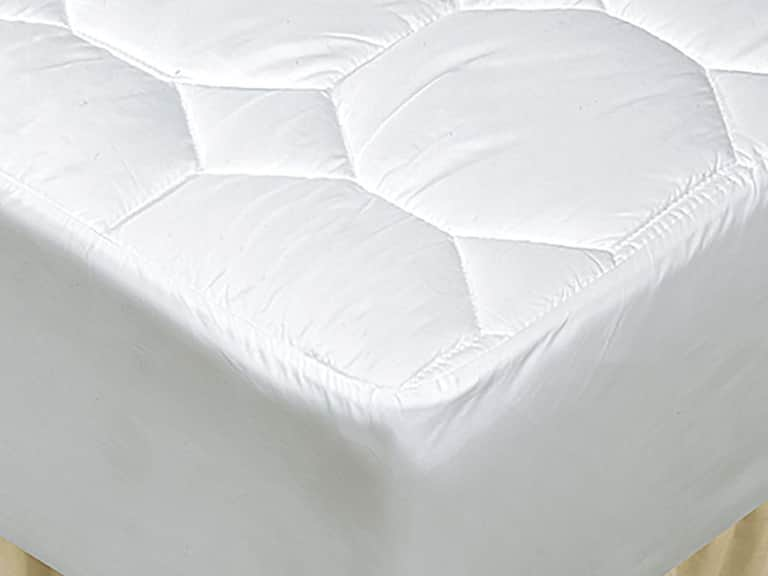
A breathable, well-fitting mattress protector can help guard against spills, sweat, and everyday soil. Choose one that fits the depth of the mattress and does not significantly change the surface feel. Launder it according to its care label, and make sure the mattress itself remains dry. If a mattress gets wet, follow the maker’s instructions rather than applying direct heat.
Support beneath the mattress also matters over time. Keep the frame and foundation in good condition, and check for sagging or broken slats. A mattress’s lifespan depends on its materials, construction, use, and care; no single manufacturing label guarantees a fixed number of years.
Questions to ask before choosing
When comparing natural latex mattresses, a few direct questions can reveal more than a broad marketing description:
- What materials are used in every layer, from the sleep surface to the base?
- Which layers are Dunlop or Talalay, and what are their thicknesses and firmness levels?
- Is the latex natural, blended, or synthetic, and what documentation supports the description?
- What does “organic” apply to, and which certification covers each relevant component?
- What foundation is required, and could a different base affect warranty coverage?
- What are the Canadian delivery, trial, exchange, and return conditions?
- Can the mattress be adjusted by side, and what does that process cost?
The most useful comparison is the complete mattress
Dunlop and Talalay offer two ways of making latex foam, each with characteristic manufacturing steps and commonly described feel tendencies. Dunlop is often associated with a denser, more grounded response; Talalay is often described as lighter and more uniform. Neither description is a verdict. Both processes can be used in mattresses with different firmnesses, layer thicknesses, and support designs.
For a Canadian shopper, the most dependable path is to look past the headline material name. Compare the full layer arrangement, verify what “organic” means for each component, and consider the fit, care, delivery, and return details of the mattress as a whole. The right choice is not determined by a process label alone. It emerges from clear information matched to the sleeper’s comfort preferences and practical needs.