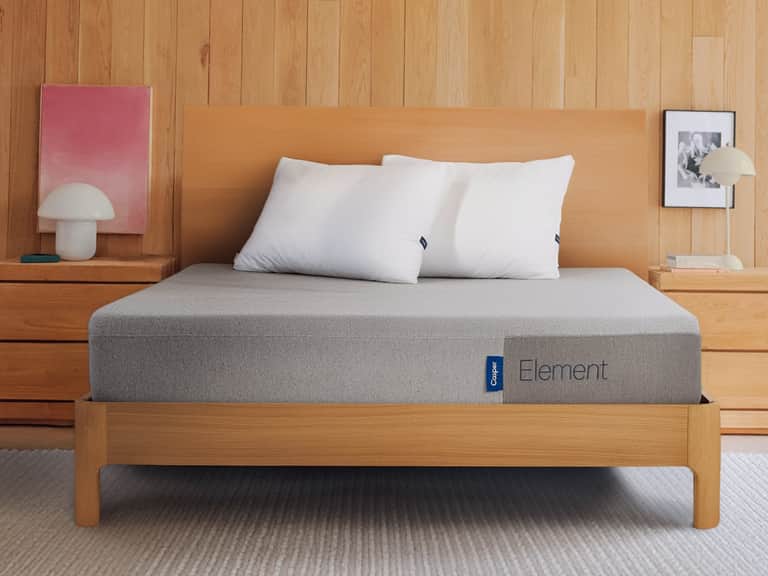
Foam mattresses are constructed from viscoelastic or polyurethane foam layers designed to contour to the body, providing targeted pressure relief and support. The core materials influence firmness, durability, and temperature regulation, with open-cell foams improving breathability. This category highlights various foam compositions and their applicable sleep profiles for different body types and preferences.
Key features of foam mattresses include motion isolation, which minimizes partner disturbance, and uniform support across the sleep surface. High-density foams typically offer enhanced durability and edge support, while latex-infused foams can add responsiveness. Understanding foam density, layering, and cover materials helps buyers assess longevity and comfort without compromising spinal alignment.
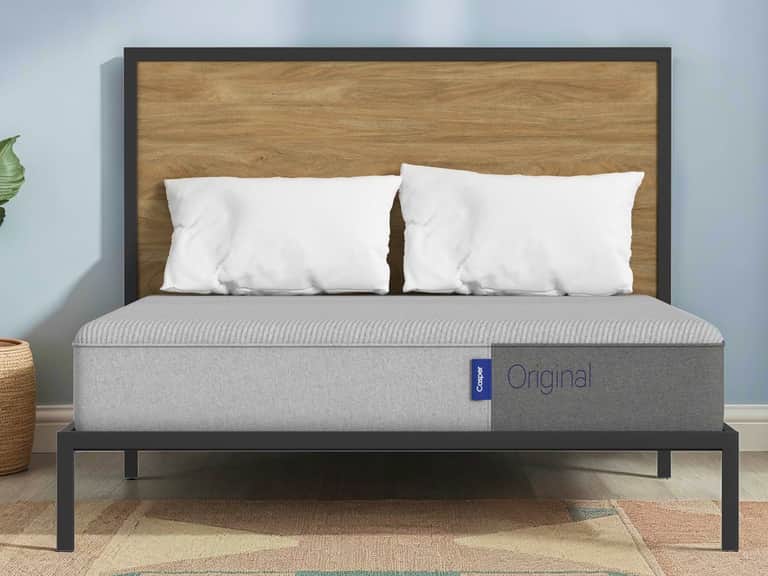
In this category, the Original Mattress series exemplifies core principles of foam construction, such as zoned support, pressure-relieving foams, and breathable covers. Each model emphasizes ergonomic alignment for the shoulders, hips, and lower back, supporting a restorative sleep experience across a range of sleeping positions and body weights.
When evaluating foam mattresses, consider temperature management features like breathable covers and open-cell foams that promote airflow. Removal of heat buildup is important for sleepers who experience night sweats or prefer a cooler sleeping environment. Compatibility with accessories like sheets and pillows can influence overall sleep ergonomics.
Beyond comfort, foam mattresses in this category address practical concerns including durability, ease of maintenance, and hypoallergenic properties. Users may look for CertiPUR-US certifications, low VOC emissions, and washable or replaceable covers. Integrating meta keywords such as bedding, pillows, sheets, organic mattresses, and organic crib mattresses helps frame the educational context for informed decisions.
 Mattresses